
Renovating an unfinished basement can be a daunting task, but with the right guidance and steps, it can become a rewarding project that adds value and comfort to your home. This comprehensive guide is designed to provide you with detailed and actionable tips to transform your basement into a functional and appealing space. Through careful planning and execution, your basement can become a valuable extension of your living space.
Understanding and Addressing Water Damage
The first step in any basement renovation project is addressing potential water issues. Before diving into any extensive work, it’s crucial to assess the area for signs of moisture or leaks. Common warning signs include musty odors, water stains, peeling paint, or damp flooring. Engaging a professional in water damage restoration services can provide insights and solutions for any underlying water problems you may not immediately notice.
Waterproofing your basement is essential in preventing future damage and ensuring a dry environment. Working with experienced basement waterproofers can help seal any cracks and install proper drainage systems effectively. These measures will not only protect your renovation investment but also maintain a healthy basement environment. Adding sump pumps or vapor barriers may also improve long-term protection against excess moisture.
Regular inspections and maintenance are vital for a long-lasting renovation. Keeping an eye on any signs of moisture can prevent significant damage later on. Implementing dehumidifiers and regular servicing from a water damage restoration services provider can assure continued dryness and safety. Staying proactive with maintenance can also help improve indoor air quality and reduce the risk of mold growth.
Checking for Structural Issues
A successful basement renovation starts with understanding the structural integrity of the area. Consulting with a local structural engineer can offer peace of mind and practical advice on how to proceed safely. This step is particularly critical if you’re planning to alter load-bearing walls or make substantial changes. A professional assessment can identify hidden foundation concerns before construction begins.
Working with a structural engineer helps ensure compliance with local building codes and regulations. They can assist in identifying potential issues before they occur, which is cost-effective in the long run. Proper planning and adherence to structural recommendations will save you from costly mistakes down the road. It can also streamline the permit approval process and help avoid project delays.
During the planning phase, it’s also essential to discuss your vision for the space with professionals. Involving draftsmen and architects early in the process can help solidify your ideas. This collaboration ensures your finished basement meets both your aesthetic and functional goals efficiently. Whether you envision a guest suite, entertainment room, or home office, proper planning creates a more cohesive final result.
Ensuring Protection Against Moisture

To ensure long-term durability, every basement finishing project must include comprehensive moisture protection measures. Engaging specialized basement waterproofers helps in identifying the best waterproofing materials and techniques for your area. Investing in quality sealants and membranes can safeguard your basement from external moisture. These preventative measures also help preserve drywall, flooring, and insulation over time.
Proper exterior drainage systems are also vital in directing water away from the foundation. Installing gutters and sloping the landscape can significantly reduce the risk of water intrusion. These external modifications, coupled with interior sealing, create a robust defense against water entry. Homeowners should also ensure that downspouts extend far enough away from the home’s foundation.
After initial waterproofing, ongoing maintenance should never be overlooked. Regularly inspecting gutters and downspouts ensures effective water diversion. Proactive actions and periodic checks on your waterproofing measures will retain the integrity of your basement environment. Scheduling seasonal inspections can help identify small issues before they become costly repairs.
Setting Up Electrical Systems Safely
An expert electrical contractor is invaluable when planning the electrical system for your remodeled basement. Safety is a primary concern, and a qualified electrician can plan and install systems that meet current safety standards. Consulting with them early ensures all electrical needs are determined before wall construction begins. This preparation helps avoid expensive changes once the renovation is underway.
Strategic planning of outlets, lighting fixtures, and wiring saves time and rework later in your project. Your electrical contractor will map out the entire system, ensuring efficiency and function. Properly placed lights and power points can significantly enhance the usability and comfort of the space. Layered lighting, including recessed lights and accent fixtures, can also make basements feel brighter and more inviting.
Consider future needs when installing an electrical system during renovations. Future-proofing your basement with an adaptable electrical layout can accommodate later technological upgrades. Your contractor’s expertise in home automation and advanced systems can provide a modern, efficient, and adaptable living space. Planning for internet connectivity, entertainment systems, and charging stations can also increase the functionality of the finished basement.
Professional Plumbing Installation

If your basement renovation involves installing a bathroom or wet bar, hiring plumbing contractors is essential. Proper plumbing can be complex, and professional installation guarantees compliance with code requirements for safety and efficiency. Their expertise ensures all necessary pipes and fixtures are installed correctly to prevent future issues. Quality workmanship also reduces the likelihood of leaks or drainage problems later on.
While planning your basement renovation, consider the placement of plumbing fixtures to optimize the layout. The proximity of water supply and drainage lines can significantly affect your planning and costs. Strategic planning can minimize construction efforts and potential disruptions. Choosing efficient plumbing layouts may also help lower installation expenses and improve overall functionality.
Continual evaluation of your plumbing needs in the basement is advisable. As your family grows or needs change, adaptations in the plumbing system might be necessary. Having a reliable partnership with plumbing contractors can ease these updates smoothly over time. Routine plumbing inspections can also help maintain efficiency and extend the lifespan of your fixtures and pipes.
Insulating for Energy Efficiency
Effective insulation is key to comfort and energy savings in your renovated basement. Consulting with a insulation contractor provides insight into the most effective materials for your space. Quality insulation maintains a consistent temperature and prevents costly energy loss. Proper insulation can also improve indoor comfort by reducing drafts and minimizing humidity fluctuations throughout the year.
Basement insulation involves more than just walls; floors and ceilings require attention too. Using materials with adequate moisture resistance and thermal properties is crucial. A reputable contractor can guide your choice, ensuring the best return on investment and savings on your energy bills. Insulating rim joists and foundation walls can further improve efficiency and help reduce heating and cooling costs.
Beyond thermal insulation, soundproofing may be a valuable addition depending on your basement use. Whether it’s for a home theater, guest suite, or music room, effective sound insulation can greatly enhance acoustic comfort. Your contractor can recommend products that multitask, offering both thermal protection and sound isolation. This added layer of comfort can make the basement feel more private and enjoyable for everyday use.
Installing Drywall for a Finished Look
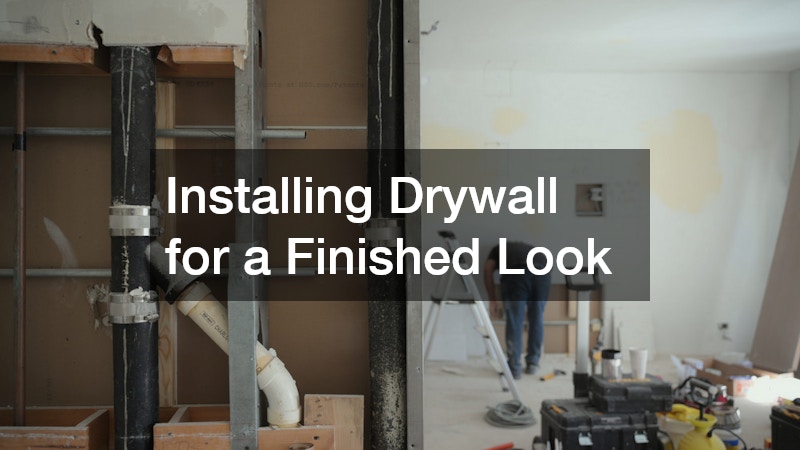
To give your basement a polished appearance, enlisting a professional drywall service is key. Drywall provides a clean, smooth canvas ready for paint, creating a finished quality for walls and ceilings. Expertly applied drywall also ensures proper surface preparation for painting and decorating. Moisture-resistant drywall products may also be recommended for basement environments to improve durability.
Drywall installation includes careful taping and sanding to hide seams and prepare the surface for painting. This often-overlooked step can make a significant difference in the overall look and feel of the space. A proficient drywall service ensures that every joint is seamless and ready for subsequent decor. Proper finishing techniques also help prevent visible imperfections once lighting and paint are applied.
Additionally, customizing drywall with niche building and integral supports adds versatility to your remodel. Professionally installed drywall accommodates shelves, built-ins, and other customized features. Thoughtfully planned drywall work can create functional and aesthetic enhancements throughout your basement. These details can help maximize storage while giving the basement a more customized and upscale appearance.
Choosing Basement Flooring
The right flooring choice can transform your basement into a welcoming, comfortable space. Engaging a skilled flooring installer allows you to explore options that suit both your aesthetic and functional needs. From durable carpets to water-resistant tiles, the flooring decision affects comfort, appearance, and maintenance. Choosing materials specifically designed for below-grade spaces can improve long-term durability.
Since basements are prone to moisture, selecting flooring materials that withstand damp conditions is essential. Professionals can suggest the best options, such as luxury vinyl planks, ceramic tile, or sealed concrete, that are both stylish and functional. The expertise of a flooring installer ensures precise execution and long-lasting results. Moisture barriers and proper subfloor preparation can also help extend the life of your flooring investment.
Installing trim and transitions can further enhance the appearance and durability of your flooring choices. Adding moldings and carefully designed transition solutions can elevate the overall look significantly. A professional installer will manage these details flawlessly, ensuring a cohesive finish that integrates well with the rest of the home. These finishing touches help create a seamless and polished appearance throughout the basement.
Finishing Touches With Fresh Paint

Once the structural and functional aspects are complete, paint brings vibrancy and warmth to your basement. Collaborating with local painters can guide color selection and application techniques for the best results. Quality paint application makes a noticeable difference in creating a polished and inviting space. Choosing moisture-resistant paints can also provide added protection in basement environments.
Selecting colors that complement your overall home design helps create visual consistency throughout the property. Painters equipped with the latest tools and techniques can achieve flawless finishes that elevate your basement’s appearance. They can also recommend high-quality products that improve both durability and aesthetic appeal. Lighter paint colors may help brighten the basement and make the space feel larger and more open.
Specialty finishes, such as textured or faux paint, can add dimension and personality to your space. Discussing these ideas with your painters allows you to explore creative options that reflect your style preferences. Accent walls, decorative trim, and custom finishes can help personalize the basement while enhancing its overall atmosphere. Professional guidance can significantly improve the final visual impact of the renovation.
Furnishing Your New Space
After completing the primary renovation, it’s time to furnish the space with style and functionality in mind. Thoughtful furniture selection reflects your personal taste while enhancing the basement’s usability. Carefully chosen pieces contribute to comfort, organization, and practicality in the newly remodeled area. Creating defined zones for relaxing, entertaining, or working can also improve the overall flow of the space.
Consider multi-functional furniture that maximizes storage and flexibility. Items like sleeper sofas, storage ottomans, and built-in shelving offer convenience without sacrificing style. Integrating textiles such as rugs, throw pillows, and curtains can add warmth, texture, and personality to the basement. These decorative elements help soften the space and create a more inviting atmosphere.
Balancing utility with aesthetics is key when furnishing a renovated basement. Selecting furniture that fits the size and purpose of the room can optimize both comfort and functionality. Proper lighting, coordinated décor, and smart furniture placement can make the basement feel like a natural extension of the rest of the home. Thoughtful planning and cohesive design choices transform your basement into a comfortable and welcoming retreat for family and guests alike.
Finishing an unfinished basement is a significant investment that can dramatically improve both the functionality and value of your home. By carefully addressing moisture concerns, evaluating structural integrity, and planning each stage of the renovation thoughtfully, homeowners can create a safe and durable living space designed to last for years. From waterproofing and insulation to electrical systems, flooring, and finishing touches, every detail contributes to the overall comfort and success of the project.
Working with experienced professionals throughout the renovation process can help ensure quality workmanship, code compliance, and long-term performance. Whether your goal is to create a cozy family room, a home office, a guest suite, or an entertainment area, thoughtful planning and expert guidance can turn an unfinished basement into one of the most valuable areas of your home.
With the right approach, your renovated basement can become more than just extra square footage—it can serve as a comfortable, functional extension of your everyday living space. Investing time and effort into proper preparation, quality materials, and ongoing maintenance will help you enjoy the benefits of your finished basement for many years to come.