Plumbing problems rarely happen at convenient times. A pipe can burst in the middle of the night. A water heater can fail without warning. A clogged drain can suddenly overflow and create a mess within minutes. In situations like these, waiting for regular business hours is not always an option.
That is when an emergency plumber becomes essential. Quick action can make the difference between a manageable repair and serious property damage.
Water spreads quickly. It seeps into flooring, walls, and furniture. Within a short time, even a small leak can cause costly issues. An emergency plumber focuses on responding fast and stopping the problem before it gets worse. Their work helps protect homes and businesses from long-term damage while restoring basic plumbing functions as soon as possible.
Responding When Time Matters Most
Speed is one of the most important parts of emergency plumbing. The longer water flows unchecked, the greater the damage can become. That is why emergency plumbers are trained to respond quickly and assess situations efficiently.
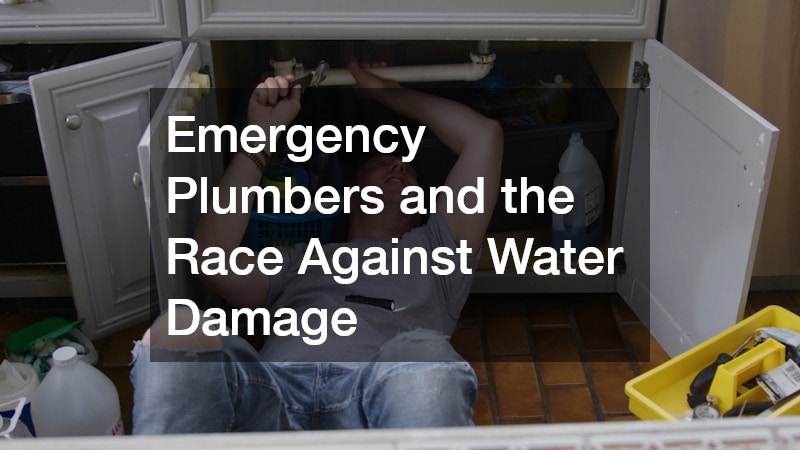
The first step is usually identifying the source of the problem. Sometimes the cause is obvious, such as a burst pipe or overflowing fixture. Other times, the issue may be hidden behind walls or beneath flooring. An emergency plumber works quickly but carefully, locating the problem and deciding on the best course of action.
Once the source is found, the immediate goal is to stop the water flow. This might involve shutting off valves, sealing leaks, or temporarily repairing damaged sections of pipe. These steps help stabilize the situation and prevent further damage while more permanent repairs are planned.
Preventing Further Damage
Water damage can escalate quickly. What starts as a small plumbing issue can spread into multiple areas of a home or building. Flooring may warp. Walls may absorb moisture. Personal belongings can be affected in a matter of minutes.
An emergency plumber works to limit this damage as much as possible. By stopping leaks and controlling water flow, they help reduce the amount of moisture that spreads through the space. Even simple actions, taken quickly, can prevent much larger problems later on.
Addressing the issue early can also reduce repair costs. The longer water sits, the more likely it is to cause structural damage or require extensive cleanup. Fast response times are critical in minimizing both the immediate and long-term impact of plumbing emergencies.
Common Plumbing Emergencies
Many different situations can require an emergency plumber. Some of the most common include burst pipes, severe leaks, and overflowing fixtures. These problems can release large amounts of water in a very short time.
Clogged drains can also become emergencies if they cause water to back up into sinks, tubs, or floor drains. In some cases, water heaters may fail and leak, creating both water damage and a loss of hot water. Broken fixtures and damaged supply lines can also lead to sudden flooding.
While some plumbing issues can wait for scheduled repairs, emergencies involve active water flow or immediate risk of damage. Knowing the difference can help homeowners respond appropriately and seek help when it is truly needed.
Working Under Pressure
Emergency plumbers often work in challenging conditions. Calls may come in late at night, early in the morning, or during severe weather. Despite these challenges, they must remain focused and efficient.
Each emergency situation is different. Some require quick temporary fixes, while others involve more complex repairs. Emergency plumbers must be prepared for a wide range of problems and ready to adapt as needed.
Working under pressure also requires strong decision-making skills. Emergency plumbers must determine how to stabilize the situation quickly while planning for long-term solutions. Their experience helps them act with confidence even in stressful situations.
Restoring Normal Conditions
Once the immediate problem is under control, the next step is restoring normal function. Water must flow properly again, and fixtures must operate safely. In some cases, temporary repairs may be replaced with permanent solutions during a follow-up visit.
Emergency plumbers often provide guidance on what steps to take next. This might include drying affected areas, scheduling additional repairs, or monitoring the system for further issues. Clear communication helps property owners understand what has been done and what still needs attention.
Returning a home or business to normal conditions is an important part of the process. After the stress of a plumbing emergency, reliable repairs provide reassurance and stability.
The Importance of Fast Action
Plumbing emergencies can happen without warning. When they do, time becomes a critical factor. Acting quickly helps reduce damage and restore essential systems faster.
Emergency plumbers play a key role in this process. Their ability to respond quickly, identify problems, and stop water flow helps protect both property and peace of mind. While no one wants to experience a plumbing emergency, having access to prompt professional help makes these situations easier to manage.
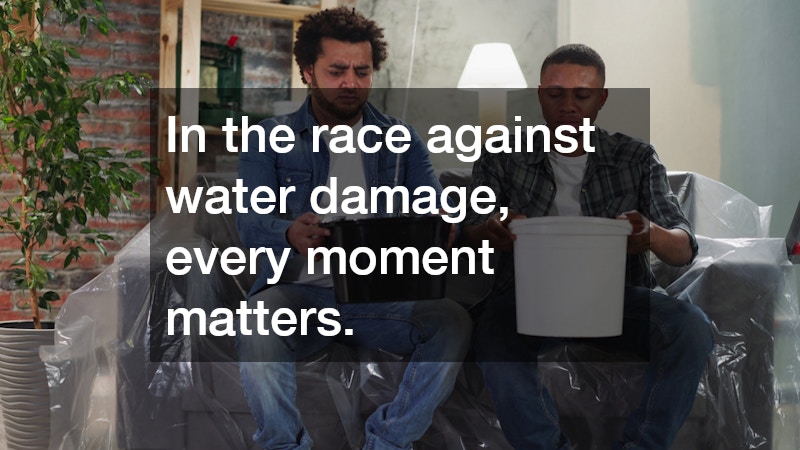
In the race against water damage, every moment matters. Emergency plumbers provide the rapid response and practical solutions needed to bring unexpected situations under control.