
The decision to expand your living space rather than pack up and move is a major milestone for any homeowner. It represents a deep commitment to your current neighborhood, a desire to customize your environment, and a significant financial investment. However, crossing the threshold from dreaming about more square footage to actually breaking ground can feel incredibly overwhelming. A first-time home addition is vastly different from a simple cosmetic remodel; it is essentially building a miniature house attached to your existing one. Navigating this process successfully requires structural engineering, legal navigation, financial management, and spatial design. Understanding the foundational roadmap of a major property expansion will help you transform your current house into your ultimate dream home while keeping your sanity, budget, and structural integrity perfectly intact.
The motivation behind adding to a home often stems from changing life circumstances. Perhaps your family is growing, you have transitioned to working from home permanently, or you need a dedicated space for multi-generational living. Whatever the reason, the process demands an analytical mindset. You are not just adding walls and a roof; you are altering the dynamics of your property value, your local tax assessments, and your daily lifestyle. To ensure that your investment yields the highest possible returns both in quality of life and future equity, you must approach the project with a rigorous, structured strategy. By dissecting the process into distinct, manageable phases, you can transform what seems like an insurmountable construction challenge into a rewarding journey of creation.
Establishing the Legal and Spatial Framework

Before you ever look at blueprints, consult with architects, or pick out paint colors, your first critical step is determining exactly what you are legally and physically allowed to build on your property. Every municipality has strict zoning laws that govern property setbacks, which are the mandatory distances that must exist between your new structure and your property lines. There are also height restrictions, floor-area ratios, historic district guidelines, and environmental protection zones that could instantly derail a design if not investigated early. To establish these boundaries with absolute precision, your first phone call should be to a professional who can map your land and verify your official deeds.
Hiring a licensed building permit surveyor ensures that your property lines are legally verified and that your proposed footprint does not encroach on easements, municipal utility lines, or neighboring lots. This official survey serves as the bedrock of your architectural planning, protecting you from future litigation or the nightmare scenario of being forced to tear down a partially completed structure due to an encroachment violation.
Once your spatial boundaries are locked in, you must prepare for the intensive administrative hurdle of getting local government approval. Municipalities require highly detailed architectural, structural, and civil engineering plans before issuing the documentation needed to begin construction. This process ensures your project complies with local structural, fire, and environmental safety codes.
To guarantee that the existing structure can handle the physical weight and connection of a brand-new space, many homeowners also invest in home inspection services before final engineering. This preemptive check catches foundation issues, hidden termite damage, or rotted framing in the main house that must be repaired before any new construction ties into it. Passing this phase means your project is legally sound and ready for physical execution. Without these approved plans and permits, you risk severe municipal fines, a complete halt to your construction, and an inability to sell your home in the future due to unpermitted square footage.
Furthermore, managing a project of this scale requires a deep understanding of construction financing and contingency budgeting. Many first-time homeowners fail to anticipate the hidden costs that inevitably surface once walls are opened and earth is moved. For example, excavation might reveal unexpected underground rock formations, outdated clay sewer pipes that need immediate replacement, or soil stabilization issues that require deeper footings than originally planned. A robust financial strategy means securing your funding—whether through a home equity line of credit, a construction loan, or cash reserves—well before the first shovel hits the ground, and embedding a strict fifteen to twenty percent contingency buffer into your calculations. This financial cushion ensures that unexpected structural discoveries do not cause your project to grind to an agonizing halt midway through production.
Selecting and Managing Your Construction Fleet

With legal approvals underway, the pivot toward assembling your construction team begins. For a project of this magnitude, trying to manage individual trade workers on your own is usually a recipe for scheduling disasters, ballooning budgets, and code violations. Instead, securing a reputable, licensed home addition builder is the single best decision you can make to ensure project continuity and peace of mind. This professional acts as the ultimate orchestrator, managing the daily timeline, hiring trusted subcontractors, ordering materials, navigating supply chain delays, and interfacing directly with municipal inspectors. When vetting candidates, look for someone who specializes specifically in structural expansions rather than quick interior updates, as tying a new foundation and roofline into an existing structure requires a highly specialized skill set and deep engineering knowledge.
Beyond the main coordinator, an addition requires specialized structural trades to make the space safe, dry, and integrated. One of the most critical handoffs in the entire process involves sheltering the new space from the elements and ensuring it remains watertight for decades to come. You will need a dedicated roofing contractor to seamlessly tie the new roofline into your old one. This is a notoriously difficult structural junction where leaks commonly occur if the flashing, underlayment, ventilation systems, and shingled valleys are not woven together perfectly.
Simultaneously, the interior requires intensive, specialized infrastructural routing to make the space functional. Bringing in certified electricians early in the framing stage ensures your new outlets, dedicated appliance circuits, smart home automation wiring, and lighting layouts comply with modern safety codes without overloading your existing electrical panel. These professionals will assess whether your current service line can handle the increased electrical load or if you need an upgraded electrical panel to power your expanded home.
Integrating Modern Climate Control and Ventilation

One of the most frequently overlooked aspects of expanding a home is managing the indoor climate and air quality of the brand-new square footage. A common mistake first-timers make is assuming their current heating and cooling system can simply be tapped into to feed the new rooms. In reality, your original heating and cooling units were sized precisely for the original volume of your house. Forcing them to condition extra space usually burns out the compressor, creates massive hot or cold spots, and sends your utility bills skyrocketing.
Engaging a professional HVAC company during the early structural phases allows for a calculated load calculation to determine exactly how much heating and cooling capacity the new zone requires based on square footage, insulation values, and window placement.
Depending on the size and location of your expansion, the climate specialists will present a few specific mechanical paths. If your existing furnace and air conditioner are relatively new, highly efficient, and originally oversized, extending the ductwork might be feasible, though it often requires installing electronic dampers to create a separate thermostat zone.
For most additions, however, the most efficient and least disruptive path is installing a ductless mini-split system. These independent wall-mounted or ceiling-recessed units provide localized, incredibly efficient heating and cooling specifically for the new rooms without requiring you to tear into the ceilings of your existing home to run massive new ducts. Proper planning here guarantees your new space is actually comfortable to live in year-round, preventing humidity buildup and ensuring optimal energy efficiency.
Crafting the Transition and Exterior Architecture
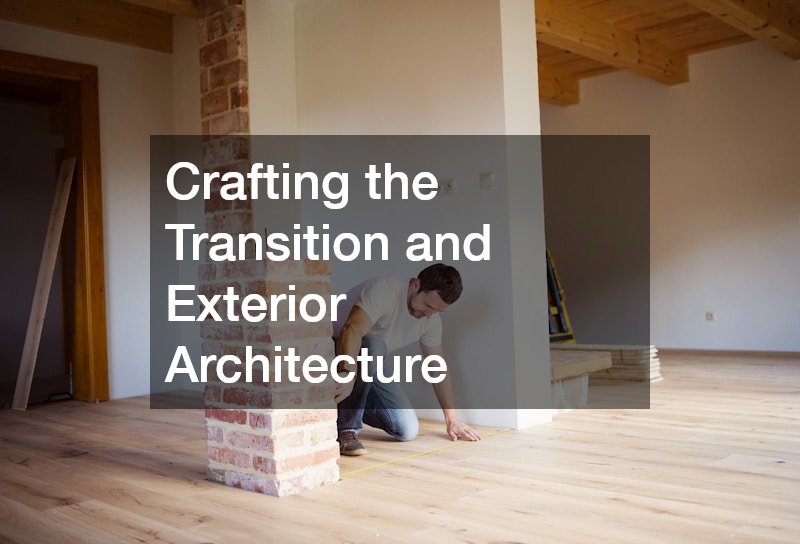
An addition should never look like an awkward box taped onto the side of a house. The architectural goal is seamless integration, making the new space look as though it were part of the original design when the home was first constructed. This requires careful attention to exterior finishes, window placement, roof pitches, and transition points. Matching old siding, brick batches, and paint trim takes patience and a keen eye for material aging. The physical point of connection between the old interior hallway and the new zone also demands careful structural planning, as cutting through a load-bearing exterior wall requires substantial temporary shoring and the installation of massive structural headers to distribute the weight safely.
To elevate the architectural entry point into your new space and define its unique purpose, you might want to consider incorporating a focal point like a hefty custom door. Whether this is a massive solid-wood entry for a front porch expansion, a set of specialized French doors leading out to a new patio, or an oversized sliding barn unit that separates a new master suite from the main living room, these tailored entryways bridge the architectural gap. Investing in high-quality, specialized millwork at the transition zones creates a psychological shift as you move through the house, making the addition feel intentional, premium, and structurally unified with the rest of the property.
Executing Interior Finishes and Functional Cohesion
As the heavy framing, roofing, and mechanical rough-ins wrap up, the project transitions into the interior finishing phase. This is the stage where the raw structural shell transforms into a highly functional, beautiful living environment. Sheetrock is hung, taped, and mudded; flooring is laid down; and trim work is meticulously installed around windows and baseboards. Because an addition represents a major chapter in your broader home renovations history, ensuring that the interior design languages speak to each other is essential. The texture of the drywall, the height of the baseboards, and the style of the casing should mimic or intentionally complement the original parts of the house to maintain visual harmony.
Equally important is managing the psychological and logistical impact of living through a major residential expansion. Unless you choose to vacate the property entirely during construction, your daily routines will be significantly disrupted. Dust control becomes a daily battle, utility services may be interrupted temporarily, and the constant hum of power tools will reshape your morning environment. Successful homeowners survive this phase by establishing clear boundaries with the crew, setting up temporary living zones far removed from the construction zone, and maintaining open lines of daily communication with their primary contractor. Understanding that frustration is a normal part of the construction lifecycle allows you to maintain perspective when minor delays occur due to weather variations or material delivery schedules.
The final layer of this multi-month journey is the application of personalized home decor to make the space truly yours. This goes far beyond just buying a new sofa or hanging a few pictures. True structural home construction creates entirely new light patterns and spatial volumes that you have to learn to live with. You will need to select window treatments that manage the new solar heat gain, choose paint colors that balance the specific exposure of the new windows, and arrange furniture to optimize the freshly created traffic pathways. When you carefully align your interior styling with the structural realities of the new space, the final result is a breathtaking, highly functional expansion that feels like it was always meant to be there.
The journey of planning, funding, and executing a major residential expansion is undeniably a marathon that tests the patience and resolve of any property owner. From the initial legal boundary checks to the final stroke of interior paint, every phase demands careful oversight, clear communication with professionals, and a realistic understanding of structural timelines. By respecting the order of operations, hiring certified experts for highly technical tasks, and keeping a close eye on architectural continuity, you can successfully avoid the common pitfalls that plague so many first-time builders. Ultimately, the dust will settle, the tools will be packed away, and you will be left with a beautifully integrated, custom-tailored environment that perfectly accommodates your lifestyle for decades to come. Yielding an upgraded asset that enhances your daily comfort and significantly boosts your long-term real estate equity remains the ultimate reward of this demanding structural adventure.