Our homes are often seen as sanctuaries, safe from the outside world’s stresses and hazards. However, an invisible battle occurs around our properties as pathogens—like toxic mold spores, viral particles, bacterial strains, and allergen-bearing pest debris—search for structural vulnerabilities to exploit.
True home health involves more than superficial fixes. While using an air purifier or disinfectant spray provides some defense, these actions only address the symptoms of a compromised home. If your roof, basement, plumbing, or mechanical systems are compromised, biological invaders will continuously enter your living spaces. Creating a healthy indoor environment requires structural defense. By targeting the pathways pathogens use to enter, you can eliminate environmental threats before they reach your family.
Fortify the Biological Shield of Your Roof and Attic

The highest point of your home is its first line of defense against moisture and biological threats. Neglected roof maintenance leads to moisture accumulation in the attic, not just visible water drips in the living room.
When rainwater bypasses damaged shingles or failing flashing, it saturates wood decking and attic insulation. This creates a hyper-humid, stagnant environment that allows microscopic mold spores to germinate. Within 24 to 48 hours of moisture exposure, colonies of toxic mold can establish a foothold. Because the attic is rarely visited, these colonies can grow unchecked for months, releasing millions of spores that eventually migrate down into your living spaces via the stack effect.
Physical gaps in the roofline invite outdoor pests. Mice, rats, squirrels, bats, and birds exploit compromised soffits, rotting fascia boards, or unsealed ridge vents to nest. These animals carry pathogens. Their droppings, urine, and nesting materials decay, introducing airborne threats like Hantavirus and Histoplasmosis into the home’s air.
To protect this zone, a strict maintenance regimen must be followed:
- Inspect the roof surface twice a year, looking specifically for cracked pipe boots, missing shingles, and pulling flashing around chimneys or skylights.
- Clear gutters and valley areas of decaying leaves and organic debris every autumn and spring to prevent water from backing up under the roof shingles.
- Ensure attic ventilation systems are functioning properly so that moisture generated by household activities can escape rather than condensing on raw wood surfaces.
- Seal all potential pest entry points along the roofline using heavy-duty steel mesh and exterior-grade sealants.
Catching these issues early requires specialized knowledge of moisture dynamics. Engaging professional roofing contractors for annual inspections ensures that hidden structural weak points are sealed before moisture can breed mold. Furthermore, pairing roof repairs with professional insulation services prevents the dangerous condensation cycles that happen when warm indoor air collides with a cold attic deck, fundamentally changing the humidity profile of your upper home envelope.
Optimize Mechanical Air Filtration and Ventilation
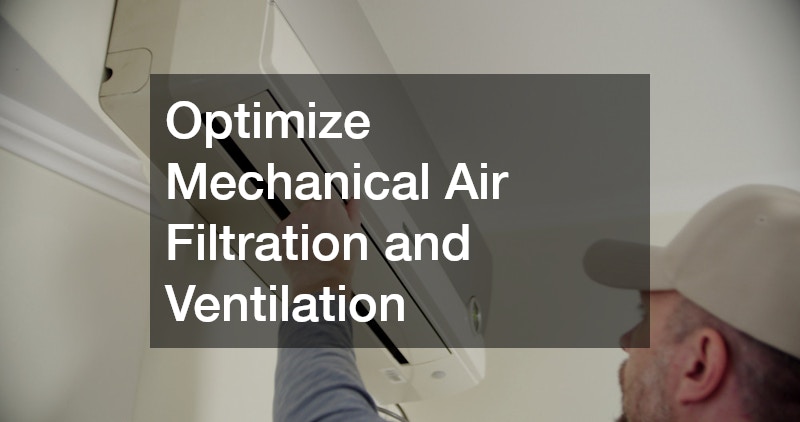
Your heating and cooling systems act as the respiratory tract of your house. They pull air from living spaces, condition it, and redistribute it multiple times a day. If poorly maintained, these systems can spread airborne pathogens.
One of the most critical areas of concern is the air conditioning evaporator coil. As the system cools the air, moisture naturally condenses on the metal fins of the coil. Under normal circumstances, this water drips into a pan and flows outside. However, if the coil accumulates dust, that dust mixes with the moisture to create a nutrient-rich biofilm. This dark, damp space becomes a perfect incubator for bacteria and mold. Every time the system cycles on, it blasts microscopic spores directly into your ductwork and bedrooms.
Ductwork integrity is crucial for pathogen prevention. Over time, duct tape dries out, and structural shifting can separate duct segments. In unconditioned spaces like crawlspaces, attics, or wall cavities, these breaks can allow the system’s negative pressure to pull contaminated air into the loop, spreading dust mites, pest dander, and mold spores throughout your home.
To optimize your air handling system for health, focus on these maintenance protocols:
- Upgrade your home air filters to a Minimum Efficiency Reporting Value of 13, which is the baseline capable of trapping virus-carrying droplets and fine mold spores.
- Replace these filters every sixty to ninety days, or sooner if you have pets or live in a high-dust area, to prevent static pressure drops from straining your system.
- Vacuum and clean supply registers and return grilles to remove localized accumulations of dust and organic material.
- Keep indoor relative humidity strictly between thirty and fifty percent by using a whole-home dehumidifier, which prevents dust mites from reproducing and viral particles from remaining stable in the air.
System diagnostics require advanced air quality tools. Partnering with a certified HVAC company to test duct pressure can reveal if your system is accidentally sucking in contaminated air from your walls. Additionally, routine air conditioning services should always include clearing the condensate drain line and treating the evaporator coils to stop stagnant water from breeding harmful bio-films inside the air handler cabinet.
Upgrade Heating Systems to Prevent Airborne Pollutants
While cooling systems pose a threat due to moisture management, deferred maintenance on heating infrastructure introduces biological and environmental risks. Old, unsealed, or failing units can degrade indoor air quality, lowering immune defenses and allowing pathogens to take root in the respiratory tract.
The core issue with older combustion-based heating systems is the potential for structural degradation within the internal heat exchanger. The heat exchanger separates the dangerous exhaust gasses produced by burning fuel from the clean air circulating through your home. Over years of constant thermal expansion and contraction, microscopic fissures can develop in the metal. While a total failure leads to life-threatening carbon monoxide exposure, micro-fissures can introduce fine combustion particulates into the airflow. This fine particulate matter irritates human lungs, making residents significantly more vulnerable to airborne viral infections.
Older heating units typically have loosely sealed cabinets and uninsulated blower compartments. If located in a dusty, damp utility closet or unfinished basement, they may draw air from these areas, heat this debris-laden air, and blow it directly into living spaces, bypassing the primary filtration loop.
Prioritize the following steps to secure your heating system:
- Schedule a professional safety check before the arrival of the cold season to check the integrity of combustion chambers and exhaust venting.
- Keep the area surrounding your heating equipment completely clean and free of stored items, dust, and chemical cleaners.
- Vacuum the blower compartment annually to prevent the accumulation of dust on the fan blades, which can reduce airflow efficiency and spread dust particles.
- Install high-quality carbon monoxide detectors on every level of your home, testing them monthly to ensure your heating system isn’t leaking dangerous combustion gasses.
When systems reach the end of their operational lifespan, patching them is no longer a viable solution for maintaining family health. When an old heating system begins to compromise indoor air quality, investing in modern furnace installation services guarantees a sealed, highly efficient combustion environment that isolates exhaust gasses and eliminates structural vulnerabilities where dust and biological debris can enter the airflow.
Eliminate Subterranean Moisture and Structural Bio-Films

The lowest zones of our homes—basements, crawlspaces, and concrete slabs—are in constant contact with the earth. Soil is inherently damp and filled with microscopic life, including fungal mycelium and bacteria. If your subterranean structure is not completely sealed against the earth, hydrostatic pressure will continuously force moisture through the porous masonry, setting up a permanent pathogen nursery right beneath your feet.
This issue is amplified by a scientific principle known as the stack effect. As warm air rises within a home and escapes through upper windows, exhaust vents, and roof gaps, it creates a powerful negative pressure zone on the lower levels. This vacuum pulls air out of the basement or crawlspace up into the main living areas through floorboards, pipe penetrations, and electrical chases. Environmental studies have shown that up to fifty percent of the air you breathe on the first floor originates in your basement or crawlspace. If that lower zone is damp and moldy, you are breathing those pathogens all day long.
Concrete slabs are also vulnerable to a process called capillary action, where moisture is wicked upward through the solid concrete like oil through a candle wick. If a home was constructed without a proper vapor barrier beneath the concrete, this moisture constantly migrates upward. When it reaches the underside of carpets, hardwood flooring, or vinyl planks, it traps moisture in a dark, warm environment, resulting in massive, hidden colonies of mildew and wood rot that ruin your flooring and poison the air.
To cut off subterranean pathogens, execute these targeted fixes:
- Ensure that the exterior soil grades away from your foundation walls at a slope of at least six inches over the first ten feet to shed surface water away from the structure.
- Extend downspout tails so that roof water discharges at least six to eight feet away from your foundation line rather than pooling next to the basement walls.
- Seal all visible cracks in basement walls and concrete floors using an expansive polyurethane injection system to block liquid water intrusion.
- Run a heavy-duty, low-temperature dehumidifier in your basement to keep ambient humidity levels below fifty percent year-round.
Managing below-grade moisture often requires major structural adjustments. Implementing comprehensive basement waterproofing techniques stops the exterior hydrostatic pressure that forces pathogen-rich groundwater through concrete pores and keeps the space permanently dry. Furthermore, if moisture is mysteriously wicking up through your floors, a prompt slab leak repair is critical to halt the underground water supply feeding hidden mold colonies beneath your carpets and floorboards.
Secure the Potable Water and Drainage Infrastructure

The plumbing network of a home is a dual highway. One side delivers fresh, clean water for consumption and washing, while the other side safely removes organic waste. Both networks require strict maintenance to prevent them from becoming major vectors for bacterial and viral contamination.
The primary pathogen risk within the fresh water system resides within the water heater tank. In an effort to save money on energy bills, many homeowners lower the temperature setting on their water heaters to around 110 or 115 degrees Fahrenheit. This is a dangerous mistake. Water stored at these lukewarm temperatures creates an ideal ecosystem for Legionella bacteria, the organism responsible for Legionnaires’ disease. When you take a hot shower, these bacteria become aerosolized in the steam, allowing you to inhale them directly into your lungs. To prevent this, water heaters should always be kept at a minimum of 120 degrees Fahrenheit, and preferably 130 to 140 degrees if a mixing valve is installed to prevent scalding.
The drainage system presents an entirely different set of biological hazards. Every drain pipe is lined with an internal layer of organic waste, skin cells, hair, and soap scum. This material creates a thick, living layer of biofilm where harmful bacteria thrive. If a drain becomes sluggish or partially clogged, this bacterial colony grows exponentially, pushing up toward the sink basin where it can contaminate dishes, toothbrushes, and food preparation areas. Furthermore, if a plumbing system’s venting is faulty, or if a P-trap dries out in an unused bathroom, sewer gas containing aerosolized fecal bacteria and viruses can back up directly into your living spaces.
Keep your plumbing system sanitary by adopting these operational habits:
- Flush your water heater tank at least once a year to remove accumulated mineral sediment, which degrades heating efficiency and provides a protective shielding layer for bacteria.
- Run water down every single sink, shower, and floor drain in your home at least once a week to ensure the water trap in the P-trap remains filled, blocking sewer gasses.
- Avoid the use of harsh chemical drain cleaners, which can corrode pipes and create rough interior surfaces that encourage faster biofilm attachment.
- Inspect the areas under sinks, around toilets, and behind washing machines monthly for tiny pinhole leaks that create localized mold pockets inside cabinets.
Addressing these hidden plumbing threats requires professional technical intervention. Working with a licensed plumbing contractor allows you to pressure-test older pipes and catch hidden leaks before they destroy drywall and breed toxic spores in hidden wall cavities. For existing biological build-up, regular, professional drain cleaning clears out the thick organic biofilms inside your pipes where harmful bacteria thrive and multiply. Finally, when an old tank heavily scales with sediment and can no longer maintain safe temperatures, a complete water heater replacement is often the only way to ensure water is safely heated to pathogen-killing levels.
Creating a home that repels pathogens requires shifting your mindset from reactive cleaning to proactive structural maintenance. Bleach wipes and aerosol sprays can clean surfaces temporarily, but they cannot fix a leaky roof, seal a porous foundation, or clean a contaminated air handler. By focusing on sealing the home’s outer envelope, optimizing mechanical ventilation, and securing plumbing pathways, you establish a defensive perimeter. These maintenance tasks eliminate the moisture, stagnant air, and entry points that pathogens rely on to survive. Protecting your home from the inside out ensures a clean, safe, and healthy environment for your family.